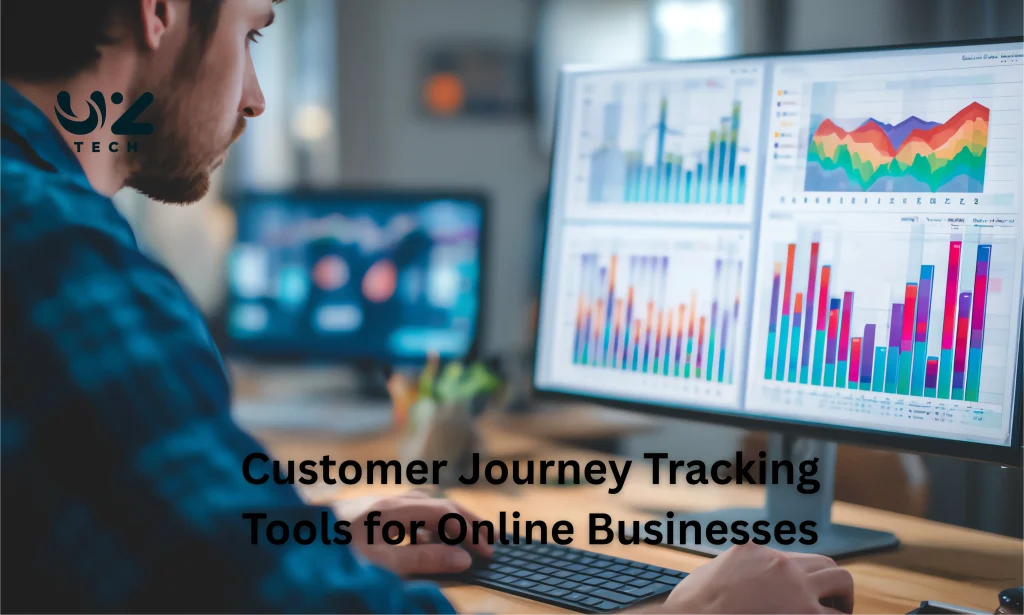
Customer journey tracking means following how a customer interacts with an online business. It tracks actions like visiting a website, clicking pages, signing up, or making a purchase. This process shows how customers move from first contact to final action. It helps businesses understand what customers like and where they face problems. By tracking each step, businesses can see what works and what needs improvement.
Customer journey tracking matters a lot for online businesses. It helps improve user experience and increase conversions. When businesses know where customers drop off, they can fix issues quickly. Tracking also improves marketing performance by showing which channels bring real results. It supports better personalization and builds trust.
Table of Contents
Challenges in Tracking Customer Journeys
- Multiple Devices and Platforms: Customers use phones, tablets, and desktops. They also move between websites, apps, and social platforms. Tracking the same user across all these touchpoints is difficult. Data often gets split and incomplete.
- Data Gaps Between Tools: Many businesses use different tools for analytics, marketing, and sales. These tools do not always share data properly. This creates gaps in the customer journey and hides important insights.
- Privacy Rules and Consent Limits: Privacy laws and consent settings limit data collection. Some users block cookies or tracking scripts. This reduces visibility and makes journey tracking less accurate.
- Complex Customer Behavior: Customers do not follow a straight path. They visit, leave, and return multiple times. They compare options and take time to decide. This makes tracking journeys harder to map clearly.
- Inaccurate or Messy Data: Tracking errors, duplicate records, and wrong events affect data quality. Poor data leads to wrong conclusions. Clean and accurate tracking takes effort and regular checks.
- Limited Technical Knowledge: Many teams lack deep technical skills. Setting up advanced tracking feels confusing. Small mistakes in setup can break the entire tracking flow.
Top Types of Customer Journey Tracking Tools
Website Analytics Tools
Website analytics tools track how users arrive at a website and how they move through it. They show page views, traffic sources, session duration, and exit pages. Businesses can see which pages perform well and where users drop off. This helps improve content, navigation, and overall site performance.
Heatmaps and Session Recording Tools
Heatmaps show where users click, scroll, and pause on a page. Session recordings replay real user visits step by step. These tools help identify confusing layouts, weak buttons, or ignored sections. They provide visual insights that numbers alone cannot show.
CRM Based Tracking Tools
CRM based tools track customer interactions across marketing, sales, and support. They connect website behavior with customer profiles and history. This helps businesses understand repeat visits, buying patterns, and long term relationships. CRM data supports better follow ups and personalization.
Marketing Automation Platforms
Marketing automation platforms track customer actions across emails, ads, and campaigns. They show how users respond to messages and offers over time. Businesses can measure campaign performance and improve targeting. This leads to better engagement and higher conversions.
Product and Event Tracking Tools
Product and event tracking tools monitor specific actions like signups, clicks, or purchases. They focus on user behavior inside websites or apps. These tools help measure conversions, engagement, and feature usage accurately.
Benefits for Online Businesses
Better Understanding of Customer Behavior
Customer journey tracking tools help online businesses understand how users interact with their website or app. Businesses can see where customers start, what actions they take, and where they leave. This clarity helps improve user experience and remove friction points.
Improved Marketing Performance
These tools show which marketing channels bring real results. Businesses can identify high performing campaigns and stop wasting budget on weak channels. This leads to better targeting and stronger returns on marketing efforts.
Higher Conversion Rates
By tracking customer paths, businesses can spot drop off points in funnels. Fixing these issues improves signups, sales, and leads. Small changes based on data often bring big results.
Personalized Customer Experience
Tracking data allows businesses to personalize content and offers. Customers see relevant messages based on their behavior. This builds trust and increases engagement.
Smarter Business Decisions
Clear journey insights support better decisions. Businesses rely on data instead of guesswork. This reduces risk and supports steady growth.
How to Choose the Right Tracking Tool
Choosing the right tracking tool starts with clear goals. Businesses should know what they want to track, such as website behavior, conversions, or marketing performance. A tool that matches these goals will be easier to use and more effective. Avoid tools with unnecessary features that add confusion.
Ease of use is very important. The tool should be simple to set up and understand. Dashboards should be clear and easy to read. Teams should be able to access data without technical support. Simple tools save time and reduce errors.
Integration is another key factor. The tracking tool should work well with existing platforms like websites, CRMs, and marketing tools. This ensures data stays connected and accurate across systems.
Best Practices for Customer Journey Tracking
Set Clear Goals and Track Key Actions
Start by deciding what matters most for the business. Focus on important actions like visits, signups, purchases, or form submissions. Clear goals keep tracking focused and prevent data overload. This makes reports easier to understand and use for decisions.
Ensure Data Accuracy Across Touchpoints
Track customer actions across websites, emails, and marketing channels carefully. Check tracking setup regularly to avoid missing or duplicate data. Accurate data builds trust and helps teams rely on insights with confidence.
Use Insights to Improve the Customer Experience
Tracking data should lead to action. Identify drop off points and confusing steps. Make small improvements based on real behavior. This improves user experience, increases conversions, and supports steady business growth.
Conclusion
Customer journey tracking tools help online businesses understand how customers interact with their website or app. They show important actions, drop off points, and marketing performance. Using these insights, businesses can improve user experience, increase conversions, and make better decisions. Clear tracking, accurate data, and regular updates make customer journeys smoother and support steady business growth.