Jennifer’s manufacturing company was bleeding money. Her on-premise ERP system cost $280,000 upfront, required three full-time IT staff at $85,000 each annually, and crashed for two days last quarter costing $47,000 in lost productivity. When her CFO suggested cloud software, she resisted.
Eighteen months after switching to a SaaS ERP at $12,000 monthly, Jennifer eliminated two IT positions, reduced downtime to zero, and freed up $190,000 in annual operating costs. Her team now accesses the system from manufacturing floors, home offices, and client sites without missing a beat.
Table of Contents
Lower Costs That Make Financial Sense
Traditional software punishes businesses with brutal upfront costs. Enterprise solutions demand six-figure investments before you’ve written a single invoice. Then comes hardware, IT staff, maintenance contracts, and upgrade fees that never end.
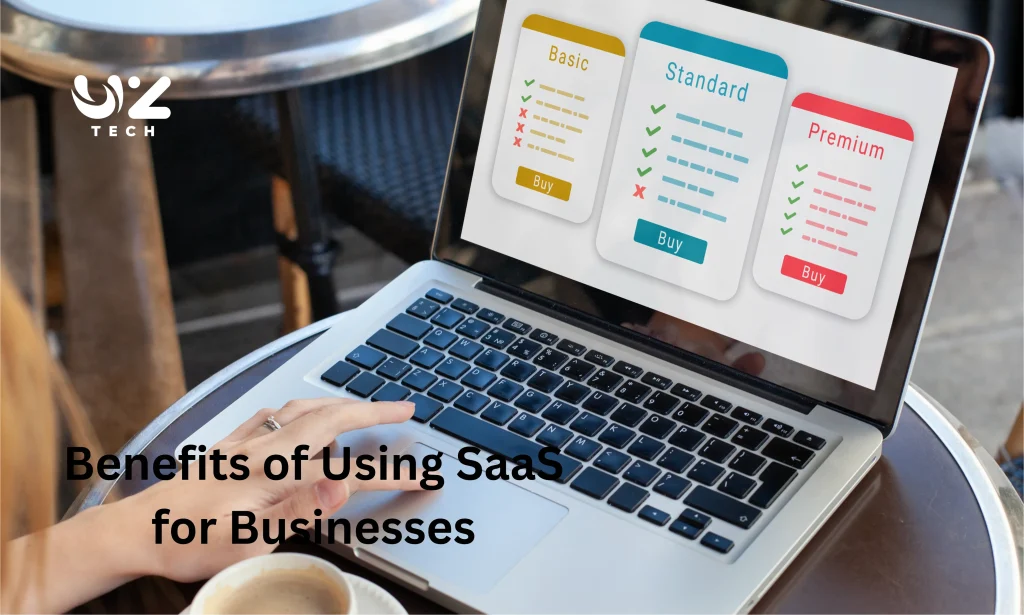
SaaS flips this completely. You pay modest monthly or annual subscriptions that spread costs over time. A tool that would have cost $50,000 upfront might run $200 monthly instead. This transforms massive capital expenditures into manageable operating expenses.
According to recent analysis, organizations waste $21 million annually on unused software licenses. SaaS eliminates this because you only pay for what you actually use. Need five users this month and twenty next month? You scale instantly without buying licenses you might never need.
The savings go deeper than subscriptions. You eliminate server purchases that run $15,000 to $50,000 each. You avoid hiring specialized IT staff to maintain infrastructure. You stop paying for expensive software updates. The provider handles everything while you focus on running your business.
Work From Anywhere Without Friction
The pandemic proved one thing beyond doubt. Businesses that could work remotely survived. Those locked into office-based systems struggled or failed. SaaS made the difference between adaptation and extinction for millions of companies.
Cloud software runs through web browsers and apps accessible from any device with internet. Your laptop, tablet, phone, even computers you don’t own become workstations. Sales teams close deals from client offices. Accountants review financials from home. Managers check dashboards from coffee shops.
Around 93 percent of organizations using SaaS platforms report increased organizational productivity as their primary benefit. Teams collaborate across time zones and continents as easily as across hallways.
The flexibility extends beyond location. Employees work during hours that suit their lives instead of rigid schedules. Parents handle school pickups without leaving projects unfinished. Your best talent lives anywhere you can find them, not just within commuting distance of your office.
Scale Without Breaking Everything
Growing businesses face a brutal problem with traditional software. You hit capacity limits and suddenly need to buy more servers, upgrade licenses, and potentially migrate to entirely new systems. The disruption kills momentum when you need it most.
SaaS scales seamlessly. Need to add fifty users tomorrow? Done. Expanding into new markets next quarter? Your software grows with you. Seasonal business with fluctuating needs? Scale up during peak periods and back down during slow months.
Companies using cloud solutions can adjust resources in real time based on actual demand. When market conditions change, you respond in hours instead of months. No waiting for hardware purchases. No complex migration projects. No service interruptions.
Automatic Updates Keep You Current
Remember when software updates meant scheduling downtime, backing up everything, and hoping nothing broke? Traditional software turned updates into projects requiring planning and IT resources most businesses lacked.
SaaS providers push updates automatically to their servers. You wake up to new features, security patches, and performance improvements without lifting a finger. The software you use today is always the latest version.
This continuous improvement matters tremendously for security. Cyber threats evolve daily. SaaS providers employ security experts monitoring threats around the clock and deploying fixes immediately for all customers simultaneously. Your small business gets enterprise-grade security without maintaining it yourself.
Updates also mean innovation reaches you faster. New features roll out as soon as they’re ready instead of waiting for annual version releases.
Integration Connects Everything
Modern businesses run on dozens of specialized tools. Your CRM needs to talk to your email marketing platform. Your accounting software must connect with payment processors. Your project management system should sync with time tracking.
SaaS applications integrate through APIs allowing different systems to share information automatically. Your marketing tool pulls customer data from your CRM. Your accounting software imports transactions from your payment processor.
These integrations eliminate manual data entry that wastes hours daily and introduces errors. Information flows between systems automatically without human intervention. Your team spends time on valuable work instead of copying data between applications.
Choose the best tool for each function then connect them into a cohesive system tailored to your specific needs. This flexibility lets you build technology stacks matching how your business actually operates.
Better Security Than Most Can Build
Small and medium businesses worry about trusting sensitive data to third parties. This concern makes sense but misses a crucial reality. Most companies cannot afford the security measures reputable SaaS providers implement by default.
Leading providers invest millions in security infrastructure, employ dedicated security teams, and follow industry best practices far exceeding what typical businesses manage internally. They encrypt data in transit and at rest, maintain multiple backups in geographically diverse locations, and monitor for threats continuously.
Compliance becomes easier too. Many SaaS platforms include built-in security controls meeting regulatory requirements. Using these applications means you inherit those protections automatically.
Data loss risks also decrease. Providers back up your information multiple times daily and store copies in different data centers. If one location fails, your data remains safe elsewhere.
Faster Implementation Gets You Running
Traditional software implementation dragged on for months or years. Purchase licenses, buy servers, hire consultants, configure systems, train users, migrate data, test everything, then finally launch. Businesses spent enormous resources before seeing any value.
SaaS applications work within days or hours. Sign up, configure preferences, invite users, import data, and start using the software. The provider handled all infrastructure setup before you arrived.
This speed to value matters tremendously. You can test new tools with minimal commitment. If something doesn’t work, you cancel and try alternatives without losing significant time or money.
Even complex enterprise implementations happen faster with SaaS. Configuration occurs within the application itself rather than requiring extensive technical work on servers and infrastructure.
Predictable Costs Simplify Budgeting
Traditional software hid costs everywhere. Initial licenses represented just the beginning. Then came annual maintenance fees, upgrade charges, consultant expenses, hardware replacements, and support contracts.
SaaS subscriptions include everything in transparent monthly or annual fees. You know exactly what you’ll spend next month and next year. This predictability makes financial planning straightforward.
The subscription model also aligns vendor incentives with customer success. Providers only profit if customers renew subscriptions. This creates powerful motivation to deliver ongoing value and provide excellent support.
Real Business Transformations
Zoom experienced 3,000 percent growth in active meeting participants during 2020 as businesses shifted to remote work. Their SaaS model allowed instant scaling without customers installing complex software.
Shopify powers over a million online stores globally. Merchants start selling within hours instead of spending months building custom ecommerce systems. The platform handles payments, inventory, shipping, and marketing.
Salesforce pioneered enterprise SaaS proving businesses would trust mission-critical operations to cloud software. They now serve hundreds of thousands of companies managing billions in sales.
FAQs
How quickly can we implement SaaS solutions?
Simple tools often work within hours of signup. More complex enterprise applications might take days to weeks including data migration and user training. This still beats traditional software requiring months or years to deploy.
Will SaaS work with our existing systems?
Most modern SaaS applications offer integrations with popular platforms through APIs. Check specific compatibility before purchasing. Many providers offer integration support or work with third-party tools that connect different systems.
Do we need IT staff to manage SaaS applications?
Basic use requires minimal IT knowledge. Small businesses often manage SaaS tools without dedicated IT staff. Larger deployments benefit from technical expertise for integrations and security configuration, but requirements are dramatically lower than traditional software.
Can we switch between SaaS providers if needed?
Switching is possible but involves effort. Most providers let you export data in standard formats. The challenge lies in migrating that data to new systems and retraining users. Choose providers carefully initially.
Is SaaS suitable for businesses in regulated industries?
Many SaaS providers build compliance features directly into their platforms, meeting requirements for healthcare, finance, and other regulated sectors. Verify the specific compliance certifications your industry requires.
Conclusion
Jennifer’s manufacturing company isn’t alone. Thousands of businesses from startups to enterprises report similar transformations when they move from traditional software to cloud solutions.
Start by identifying your biggest pain points. Are software costs crushing budgets? Is remote work impossible? Are updates causing constant headaches? Do you lack IT resources to manage complex systems? SaaS probably solves these problems.
Evaluate providers carefully. Read reviews from businesses similar to yours. Test free trials thoroughly. Calculate total costs over several years. Verify security practices and data ownership policies match your requirements.